

Rest to Rise:
The Transformative Power of Napping at Work

A co-worker of mine would lean back in his desk chair, rest his head on the back of it, and put his feet up on the desk.
We all worked in a cramped open workspace, so I would often have to sidestep past him on my way to the restroom. As I passed, I would turn off his overhead fluorescent light to let him know I supported his rest break. For Christmas one year, I even gifted him with an eye mask and a neck pillow.
Napping during the workday offers real benefits. While many employers frown on sleeping on the job, research shows that naps can improve performance, learning, memory, productivity, and alertness in healthy employees. (1)
Dr. Matthew Walker shares in his book, Why We Sleep, that “NASA redefined the science of sleeping on the job for the benefit of their astronauts. They discovered that naps as short as 26 minutes in length still offered a 34% improvement in task performance and more than a 50% improvement increase in overall alertness.” (2)
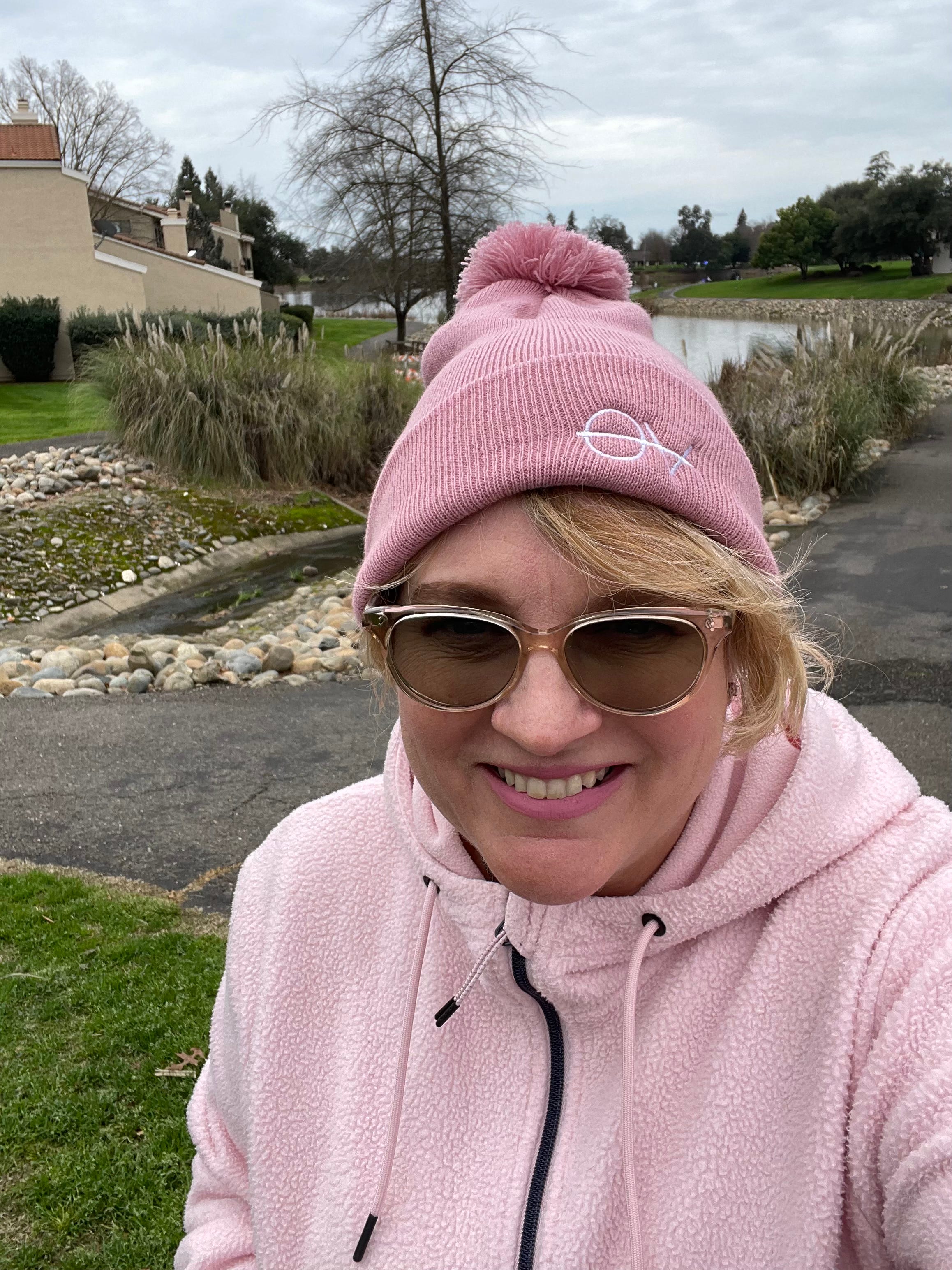
Taking my brain for a walk and getting my outside time in.
If you are returning to work after a brain injury, taking breaks and napping are essential. If possible, use your lunch break to lie down and take a 20-minute nap. Doing so can help you perform at your best, support your memory, and maintain emotional control through the day.
At a minimum, try lying back and closing your eyes during your lunch. Getting your feet on the same level as your head can be restorative to your mind and body. Even if you can only shut your eyes, put your feet up on your desk, and lean back in your chair.
Another rejuvenating position is lying on a yoga mat with a pillow behind your head while your feet and knees rest on a chair.
Dr. Matthew Walker explains that humans are supposed to sleep in a biphasic pattern: our natural sleep pattern should be sleeping at night for seven to nine hours, followed by a 30- to 60-minute nap in the afternoon. (2)
So people with healthy brains who have large energy reserves are naturally programmed for an afternoon siesta. This explains the normal after-lunch drowsiness you see with your co-workers in late meetings.
Now imagine how strong that pull for an afternoon nap is for the person who has a brain injury and a small amount of brain energy reserved.
Let me tell you that pulling to sleep in the afternoon is an overwhelming tsunami wave that crashes down on you.
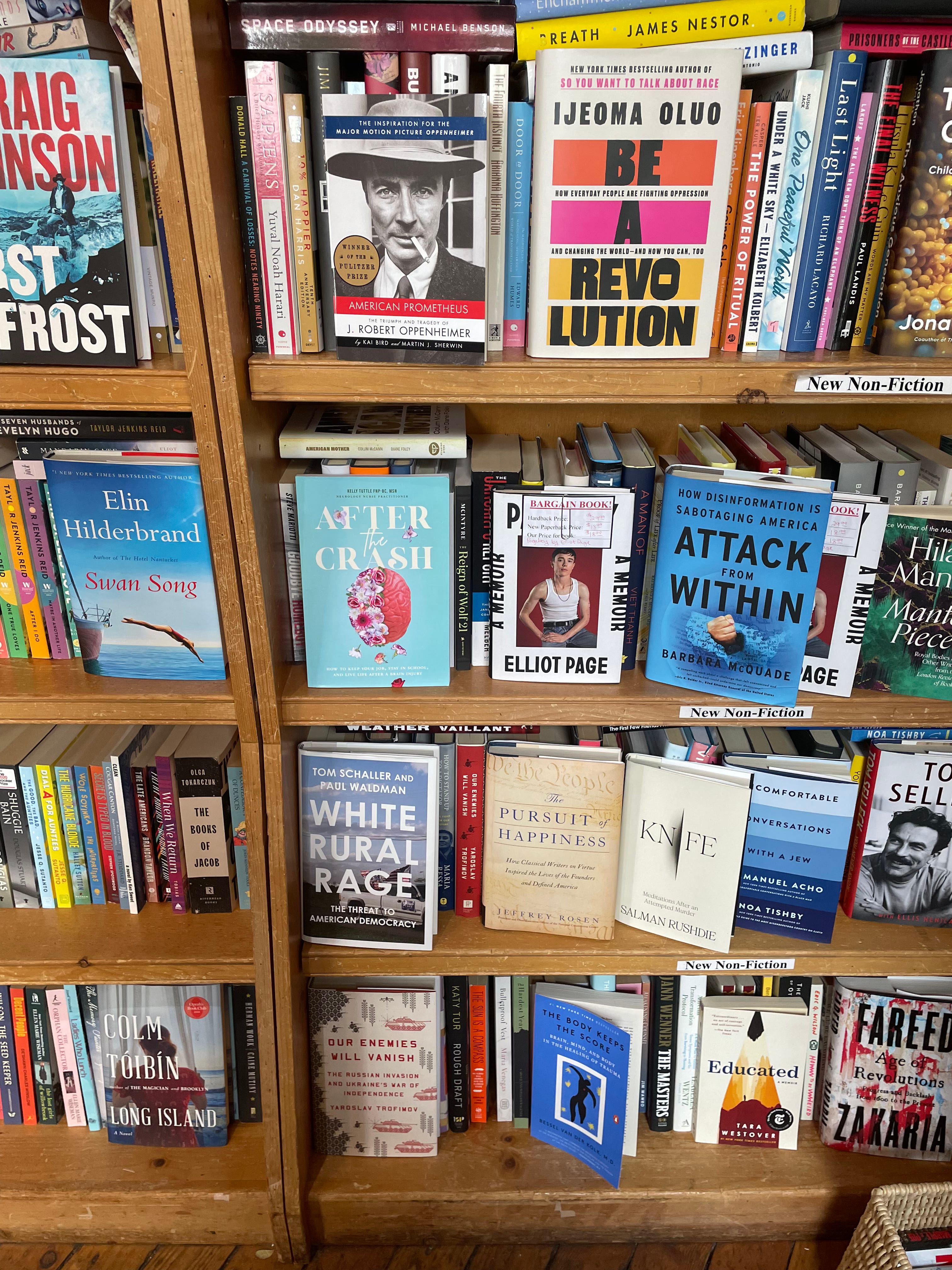
My book, After the Crash, on the shelf of one of my favorite bookstores, Coalesce in Morro Bay, California. It was so cool to see!
Unfortunately, I did not have a quiet space to put my feet up, close my eyes, and relax at my work. So, I would go out to my car and lie down in the back seat. Keep in mind that it’s not safe for people to sleep in their cars. I do not recommend it for others.
By lunchtime, exhaustion would hit me so hard that I barely made it to my car. I would curl up in the back seat, lock the doors, grab my pillow and blanket, and nap deeply until my alarm woke me.
Since I was working 40-plus hours a week, I had to do this to get through the day.
Over time, as my brain healed, I was able to skip my lunch break naps. But I would still go out to my car for a bit of quiet time so I can relax a little and close my eyes if needed.
Whenever possible, while your brain is healing, take a nap or a moment to rest at lunch. Your brain will reward you with more energy and stamina for the rest of the day.
Take care, get better, get stronger,
Kelly Tuttle
Brain-Loving Advocate
P.S. As a brain injury survivor, I understand the challenges of reintegration into the workforce. If you’re also a survivor looking to return to work, please visit my website for my online program: Return to Work and Life After a Brain Injury.
You can also find my book, After the Crash: How to Keep Your Job, Stay in School, and Live Life After a Brain Injury, and additional resources.
My book, After the Crash, is also on Audible.
My book, After the Crash: How to Keep Your Job, Stay in School, and Live Life After a Brain Injury, can be found on Amazon or at your favorite independent bookstore
I created a journal just for you! Check out My Brain Injury Recovery Journal
My eBook, Getting Back Behind the Wheel
Please check out my YouTube channel.
Additional resources:
Midday Power Naps: 7 Reasons to Sleep On the Job in 2025
2. Matthew Walker, Why We Sleep: Unlocking the Power of Sleep and Dreams (New York: Scribner, 2017), 17–19.